Explore Winton

The walls reach two metres high and extend for at least 70 metres. They are constructed of concrete and rock brought from Arno's opal mine at Opalton and studded with rusted lawnmower parts, boat propellers, vintage typewriters and sewing machines and even a couple of complete motorbikes. READ MORE >>

Local Weather
Home
Welcome to Winton

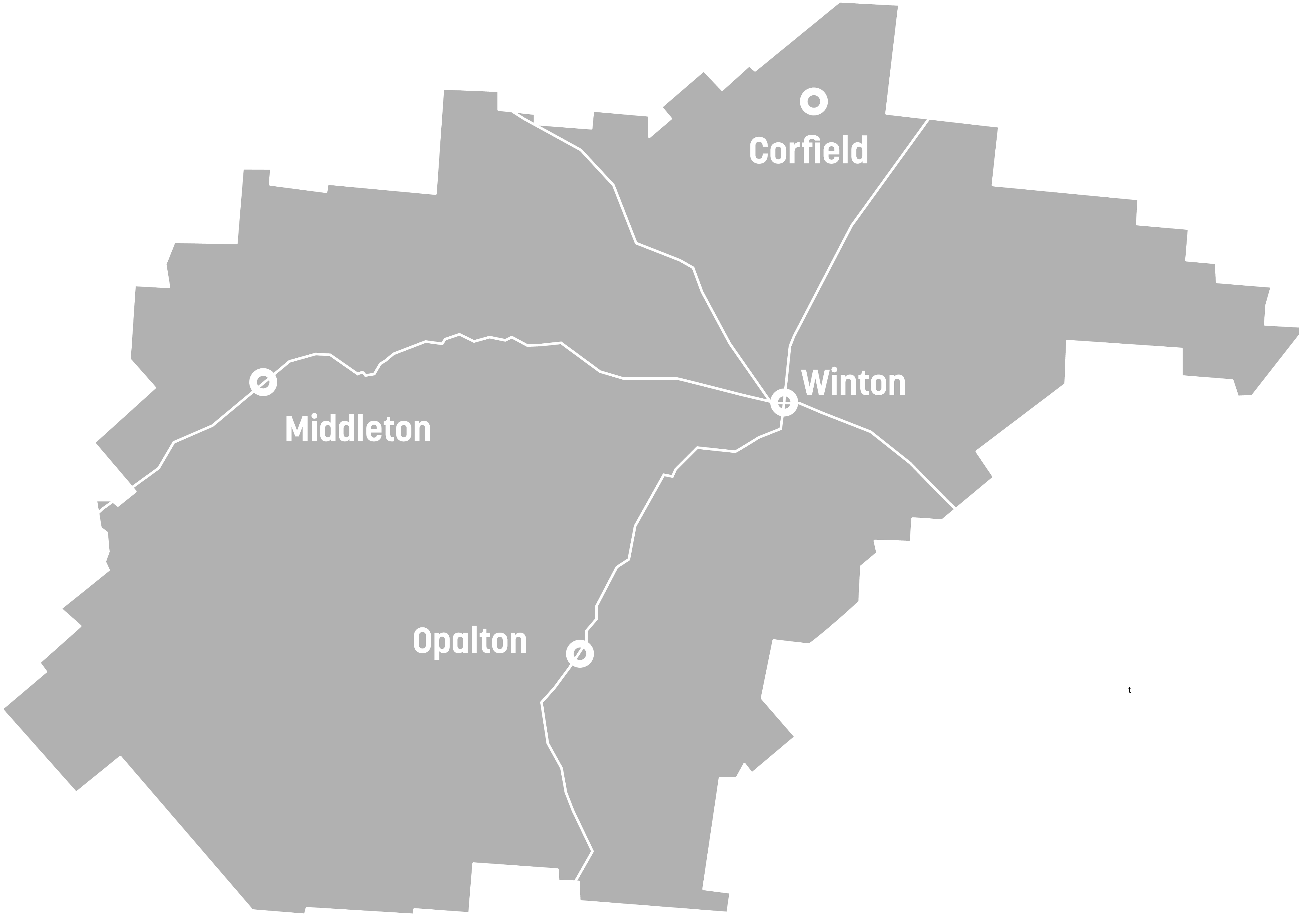
Winton is the birthplace of QANTAS and the home of Waltzing Matilda, Dinosaurs and Opals. Discover Winton's myriad attractions dedicated to history and prehistory, and enjoy the natural beauty of Winton Shire. With many free and paid attractions, there is something for everyone!

Our region is home to numerous natural and man-made attractions:

>> Bladensburg National Park

>> Lark Quarry Dinosaur Trackways & Conservation Park, with the world’s only recorded evidence of a dinosaur stampede

>> The Australian Age of Dinosaurs Fossil Preparation Facility, home to Banjo, Australia's most complete carnivorous dinosaur

>> Opalton, home to the best Boulder Opal in the world

>> The Waltzing Matilda Centre, the only museum in the world dedicated to a song

>> The heritage listed Corfield & Fitzmaurice Building

>> The Winton Club,  where QANTAS held their first board meeting

>> And the Royal Open Air Theatre Museum.

Also, don’t forget to visit the world’s first Musical Fence and the architectural marvel of Arno’s Wall!

These and more can be discovered on our website, via Things to See and Do and About Winton. Once you've taken a look around, find out about accommodation and other essential information, send us enquiry or ask for an information pack.

Winton Snippets
Palaeontology

Winton, part of Queensland's Dinosaur Country, is a rich collecting area for palaeontologists. During the 1970s, a small number of sauropod dinosaurs were collected north-west and south-west of town and in the 1980s more dinosaur bones were found in Bladensburg National Park. Specimens of sharks, lungfish and dinosaurs have also come to light. Several localities in the Winton region contain well-preserved fossil plants, which have provided information about vegetation during the time of the dinosaurs. Younger fossils, the remains of fresh water crocodiles and giant marsupials less than a million years old, have been found in some dam excavations.
- Dr Alex Cook, Queensland Museum